
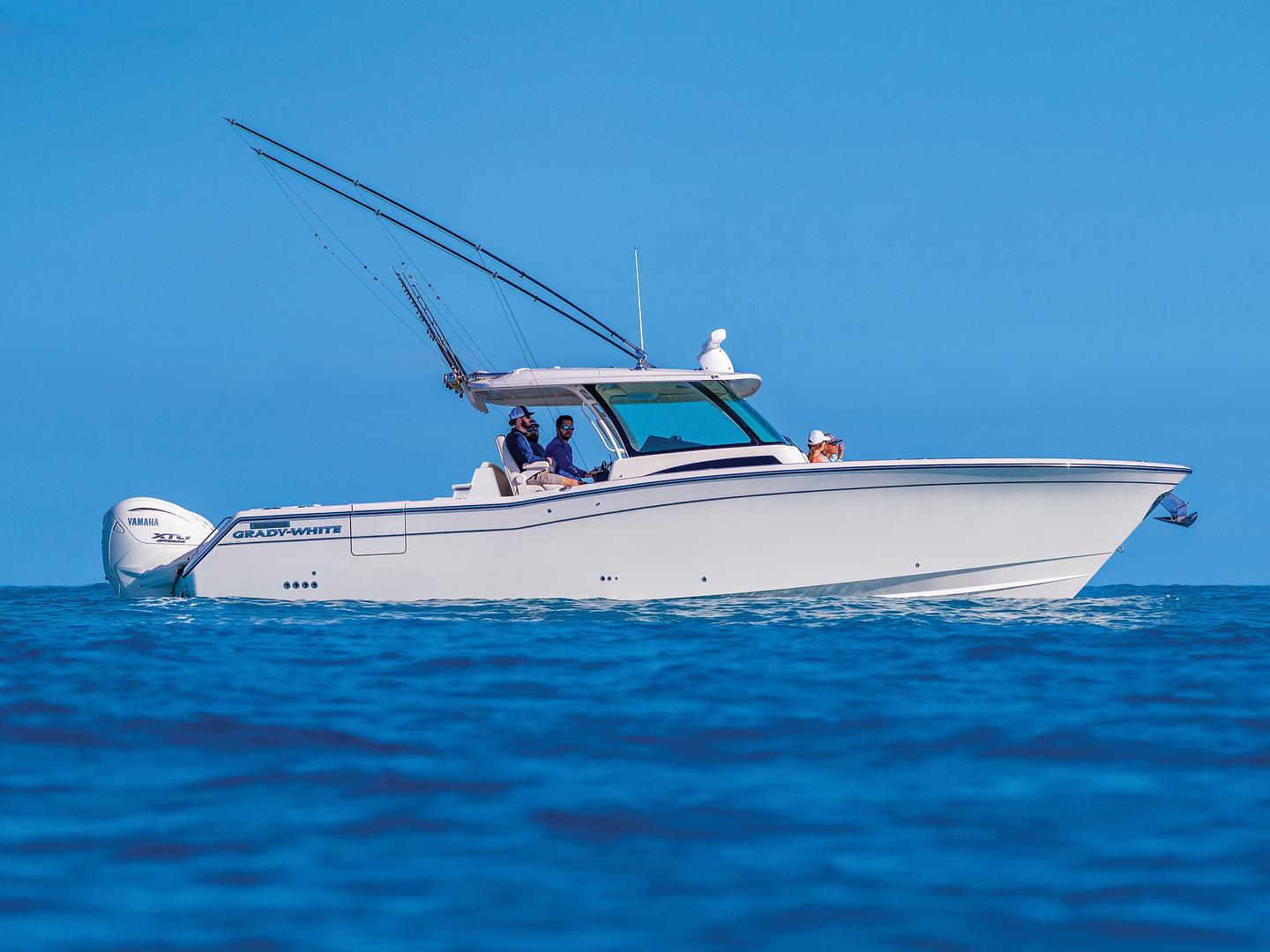
Long Island boating is defined by distinct seasons: vibrant summers on the Sound and the South Shore, crisp fall runs through the bays, and then the inevitable shift to freezing temperatures, nor’easters, and months of inactivity. If you own a boat here, winterizing is not an optional chore—it is a critical part of responsible boat ownership. Done correctly, it helps prevent costly damage, extends the life of your engine and onboard systems, and ensures a smooth, stress-free launch when spring returns.
Whether your boat is kept in the water, on a trailer, or stored at a marina, the combination of cold snaps, salt exposure, and humidity makes winterizing your boat on Long Island especially important. Below is what every boat owner should know about why winterization matters, what’s typically included, and how to plan the process so your boat is ready for next season.
Why Winterizing Your Boat on Long Island Is Essential
Freeze Damage Can Happen Faster Than You Think
Even a single cold night can create serious problems. Water expands when it freezes, and that expansion can crack engine blocks, split hoses, damage pumps, and rupture plumbing lines. Repairs related to freezing often cost far more than preventative maintenance.
On Long Island, temperatures can fluctuate throughout late fall and early winter, creating a risky cycle of thawing and refreezing. That pattern is particularly hard on systems that still contain water, such as raw-water cooling circuits and freshwater lines.
Salt and Moisture Increase Off-Season Wear
Saltwater exposure is a reality for many Long Island boaters. Salt residue, combined with damp winter air, can accelerate corrosion on metal components, electrical connections, and steering systems. Winterizing is not only about cold protection; it also includes steps that reduce corrosion and help prevent off-season deterioration.
A Proper Winterization Protects Resale Value
Buyers and surveyors pay attention to maintenance history. A consistent winterization routine—documented with service records—signals that the boat has been cared for. It also reduces the chance of discovering expensive, hidden problems later, such as internal engine corrosion or cracked fittings.
Spring Commissioning Becomes Faster and More Predictable
Nothing delays the start of boating season like troubleshooting engine issues, cleaning mildew, or replacing cracked hoses at the dock. Winterizing now simplifies spring commissioning, helping you get back on the water earlier—often when marinas and service providers are busiest and schedules fill quickly.
What Winterizing Typically Includes (And Why Each Step Matters)
Winterizing can vary depending on your boat type, engine (outboard, inboard, sterndrive), and whether you store indoors or outdoors. However, a comprehensive Long Island boat winterization usually covers several key areas.
1) Engine and Cooling System Protection
The engine is one of the most expensive components on your boat, and it is also one of the most vulnerable to freezing. Winterizing generally includes flushing the cooling system and adding marine antifreeze where appropriate.
- Outboards: Many modern outboards are designed to self-drain, but they still benefit from proper flushing, fuel treatment, and inspection. Stored engines should be positioned correctly to drain water.
- Sterndrives and inboards: These often require more extensive procedures, including draining water from the block and manifolds (or circulating antifreeze through the system), depending on configuration.
Skipping or rushing this step can lead to cracked components and expensive repairs that could have been avoided.
2) Fuel System Stabilization
Fuel issues are a common cause of springtime headaches. Ethanol-blended fuel can absorb moisture and contribute to phase separation, corrosion, and clogged injectors or carburetors. Winterizing typically involves stabilizing fuel and ensuring the system is protected during storage.
For many boats, it also makes sense to evaluate your fuel filter/water separator and replace it if needed before the boat sits for months.
3) Battery and Electrical Care
Batteries can lose charge over time, and a dead battery in spring may also mean reduced battery life. Winter storage is a good time to remove batteries (when appropriate), clean terminals, and keep them charged using a marine-safe maintenance charger.
It is also an opportunity to inspect wiring and connections for corrosion—an issue that can be intensified by Long Island’s salty environment.
4) Freshwater, Plumbing, and Head Systems
If your boat has freshwater tanks, a sink, shower, washdown, or a marine head, those systems must be winterized to prevent frozen lines and damaged pumps. This usually involves draining water, bypassing or draining the water heater, and protecting lines with marine antifreeze designed for potable-water systems.
Proper head winterization is particularly important to prevent cracked hoses, damaged macerators, and unpleasant odors that can linger into the next season.
5) Hull, Canvas, and Exterior Protection
Engines get most of the attention, but exterior protection matters too—especially for boats stored outdoors. A good winterization plan includes cleaning and protecting the hull, topside surfaces, and canvas to reduce staining, oxidation, and mildew.
- Waxing or applying a protective coating can help shield gelcoat during the off-season.
- Cleaning and drying canvas before storage can prevent mold and extend fabric life.
- Using a properly supported cover reduces water pooling, chafe, and snow load issues.
6) Moisture Control and Interior Preparation
Long Island winters can be wet, and boats that sit closed up are prone to mildew. Ventilation and moisture control can make a noticeable difference. Cleaning the interior thoroughly, removing items that hold moisture, and using marine-appropriate dehumidifiers or moisture absorbers can help prevent odors and damage to upholstery.
Timing: When to Winterize on Long Island
The ideal timing depends on how late you boat, where your vessel is stored, and the weather pattern in a given year. Many owners plan winterization in late fall, once night temperatures begin dropping consistently. Waiting too long can be risky; an early cold snap can catch you off guard.
If you are scheduling winterization through a marina or marine service provider, earlier is often better. Peak weeks fill quickly, especially for haul-outs, shrink wrapping, and engine service.
DIY vs. Professional Winterization: What’s Right for You?
Some boat owners handle winterization themselves, particularly if they have straightforward systems and experience with their engine type. Others prefer to work with a professional, especially for inboards, sterndrives, or boats with complex plumbing and electrical systems.
Consider professional help if:
- You are winterizing an inboard or sterndrive and are not fully confident in the draining/antifreeze process.
- Your boat has multiple systems (generator, air conditioning, water heater, head, livewell, etc.).
- You want service documentation for warranty or resale purposes.
- You are short on time and want a consistent, checklist-driven result.
Common Winterization Mistakes to Avoid
Many costly issues come from a few avoidable missteps. Keep these in mind as you plan:
- Assuming “it won’t freeze yet”: One cold night can be enough to cause damage.
- Using the wrong antifreeze: Marine systems require antifreeze rated for the application; automotive products are not a substitute.
- Forgetting accessories: Generators, washdowns, livewells, and AC systems often need winterizing too.
- Sealing the boat without moisture control: A tightly wrapped boat can still develop mildew if the interior is not prepared.
Protect Your Boat Now, Enjoy Next Season Sooner
Winterizing your boat on Long Island is about more than checking a box—it is about protecting an investment that brings you time on the water, family memories, and seasonal freedom. The cost of winterization is modest compared to the expense and frustration of preventable repairs, and the payoff is a boat that starts reliably, looks better, and performs as it should when spring arrives.
If you are preparing for haul-out or final trips of the season, now is the right time to create a winterization plan. Whether you do it yourself or work with a trusted marine service provider, a thorough approach today will keep your boat protected through winter—and ready to launch when Long Island boating season returns.